
Hey crew, as the leaves start turning and the mornings get a little sharper around Clarksville, we know what that means. It's time to think about getting the bikes ready for the off-season. Skipping winterization is one of the fastest ways to wake up in April and find yourself staring at a dead battery, a clogged fuel system, or tires that have developed permanent flat spots. We've put together a practical, no-nonsense guide to getting your motorcycle stored safely so that when the weather breaks, you can just hop on and ride. Whether you ride a cruiser, a sportbike, or a touring rig, these steps apply to all of us.
The Final Wash
It might seem counterintuitive to spend time cleaning a bike you are about to hide away, but road grime, dead insects, and road salt hold moisture against your paint and metal. This accelerates corrosion while the bike sits. Before storage, give your motorcycle a thorough wash and dry it completely. A final warm ride helps shed water from places a towel cannot reach.
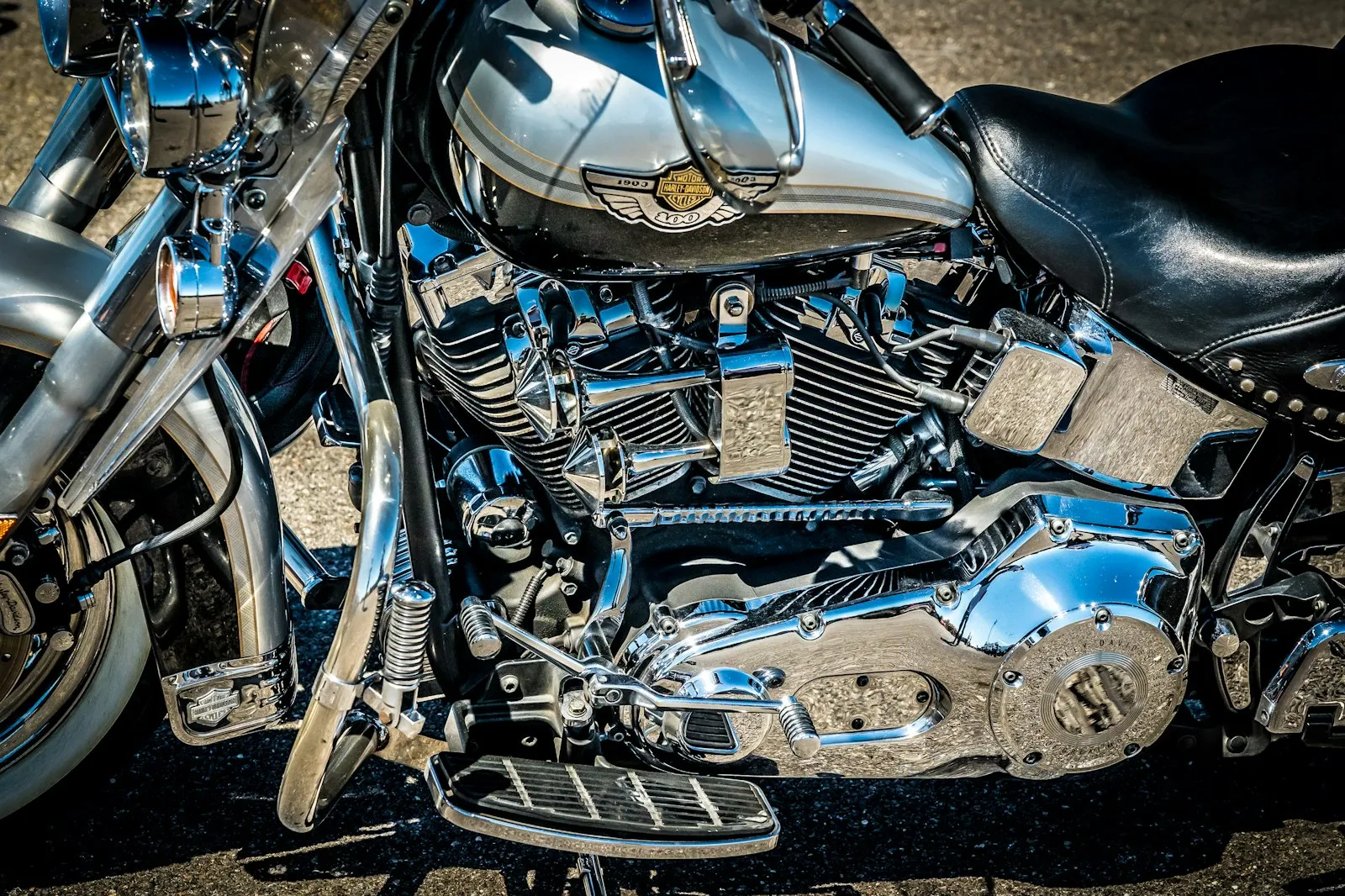
Once clean, apply a coat of wax to the paint to lock in protection. Use a corrosion inhibitor or protectant spray on bare metals, fasteners, and chrome. If you have a leather seat or gear, treat them with appropriate conditioners now, so they do not dry out over the winter months.
Fuel System Management
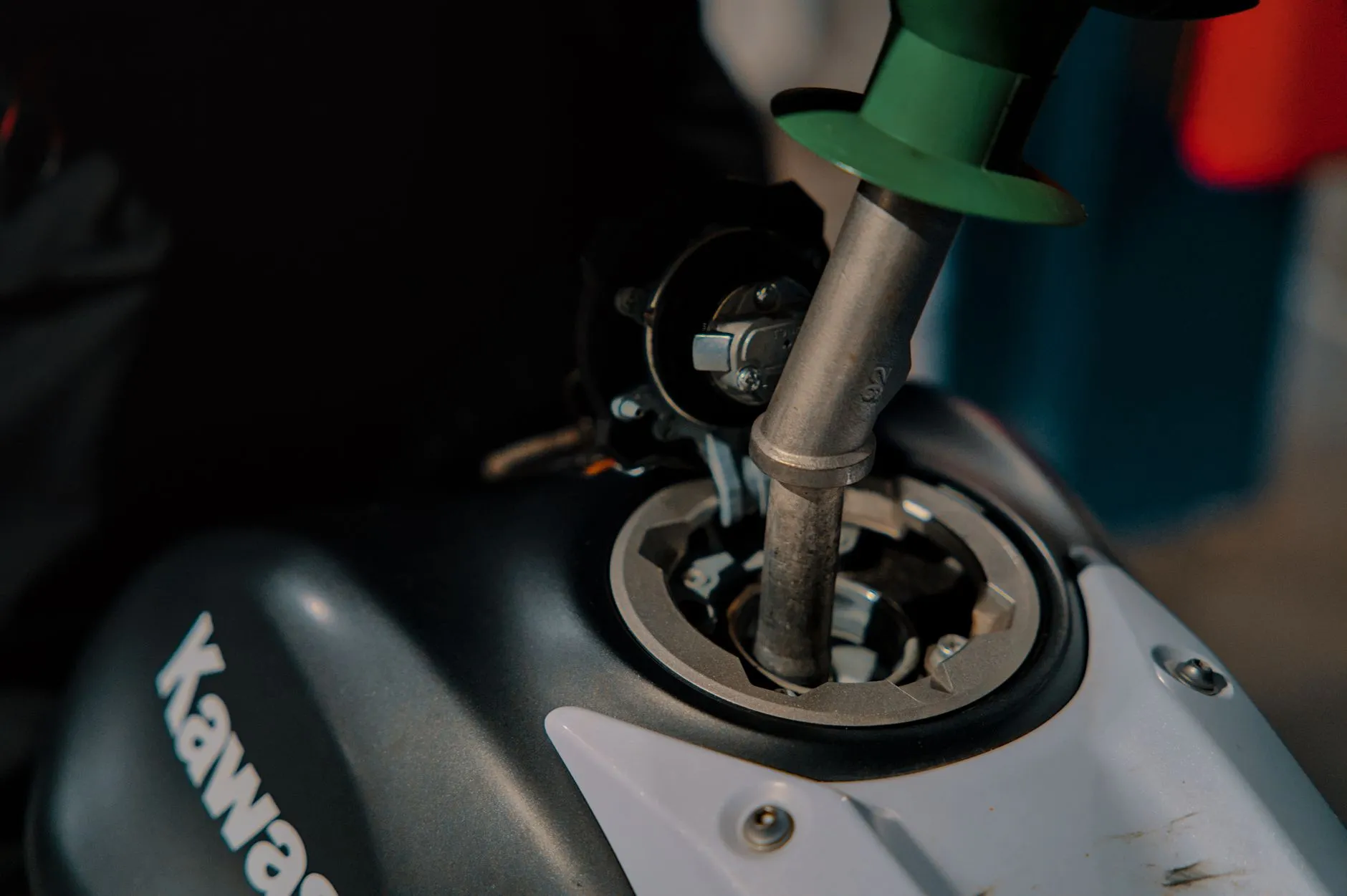
Here is where a lot of riders make a critical mistake: do not drain the fuel tank unless absolutely necessary for repairs. Modern fuel, especially ethanol blends, degrades and oxidizes into a varnish within a month. Draining the tank leaves it susceptible to internal corrosion and dried-out seals. Instead, fill the tank almost to the top, leaving minimal air space to prevent condensation. Add a high-quality fuel stabilizer, such as Star Tron, Sea Foam, or Sta-Bil. Ride the bike for a few minutes to ensure the treated fuel reaches the carburetor or fuel injectors. If you are riding a carbureted bike, turn the petcock to "Off" and run the engine until it dies to drain the float bowls. This prevents fuel from sitting against the tiny rubber needles, which can cause leaks or hydrolock. Taking this step ensures your fuel system remains clean and ready for your first ride of the season.
Oil, Fluids, and Fork Seals
Old oil contains acidic combustion by-products and metal shavings. Leaving it in the engine over winter attacks internal bearings. Change the oil and filter before storage so fresh oil leaves the engine protected. While you are at it, check your brake fluid, clutch fluid, and coolant. Replace or top off old fluids, as they can become corrosive and destroy rubber seals over time.
Do not forget your suspension. Wipe a little oil over the stationary tubes and seals on your front forks, then work the suspension up and down to keep the rubber from drying out. It takes a minute, but it saves you from sticky suspension come spring.
Battery Care
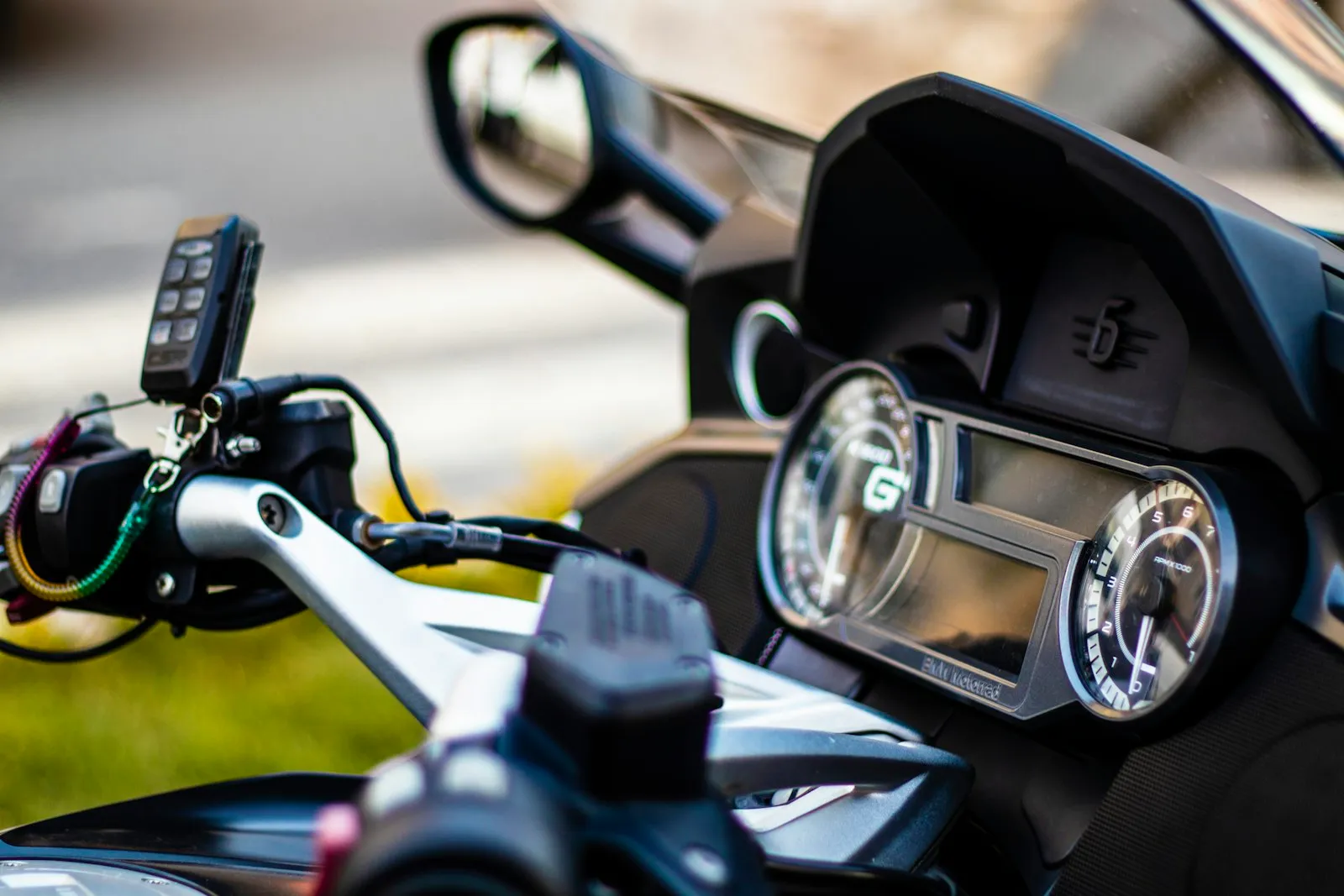
Do not rely on starting the bike periodically to keep the battery alive. Cold starts are hard on engines, and idling does not recharge the battery effectively. Instead, connect a smart battery tender. It monitors the battery and feeds it only what is needed, keeping it at full health without overcharging. If you need to remove the battery, store it indoors in a cool, dry place. Top it off with distilled water if it is a flooded lead-acid battery, and apply a thin coat of grease to the terminals to prevent corrosion. Also, remember to remove the battery from your key fob. The FOB battery will attempt to communicate with the bike all winter and will likely be dead by the time you want to ride again. A dead key fob is a common surprise in March, so swap it out now.
Tires and Suspension
Rubber degrades and develops flat spots when sitting in one position on cold concrete. If you have the space, use a center stand or paddock stands to keep both wheels off the ground. This is the best way to preserve your tire life.
If you must store the bike on its wheels, over-inflate them slightly to the maximum recommended pressure on the sidewall. Place a board or thick carpet between the tires and the floor to insulate them from the cold concrete. Roll the bike a little every few weeks to change the contact patch and prevent permanent deformation.
Rodent Proofing and Storage
Mice seek warmth and will chew wires, eat air filters, and sleep (and leave droppings) in exhaust pipes. Stuff a clean rag or a specialized exhaust plug into the tailpipe, and seal the air intake with plastic wrap and a rubber band. For added engine protection, you can remove the spark plugs and squirt about one teaspoon of motor oil into each cylinder before reinstalling the plugs to coat the internal components.
Store the bike in a dry, cool, well-ventilated area like a garage or shed. Avoid heated rooms with massive temperature swings, as the cycle of warm days and cold nights drives condensation, which is exactly what you are fighting. If you must store the bike outside, use a high-quality, breathable motorcycle cover. Cheap plastic tarps trap moisture underneath, causing rust and mold. Ensure the cover is tucked properly so wind cannot lift it and chafe the paint.
Ready for Spring
Winterizing your motorcycle is not just about preserving mechanical health; it is about respecting the machine that gets you out on the roads. By following these steps, you avoid the headaches of spring start-ups and keep your riding community safe. Take your time, do it right, and get ready to hit the road when the flowers bloom. Stay safe out there, and we will see you when the weather breaks.
Finish this story. It's free
Create your free District 76 account to read the rest, save articles, and join the discussion.
Already a member? Log in
Roads worth riding
Community-rated routes from the D76 road guide.
- Old Lock B Boat Rampin TN
- Fort Donelson Ride Outin TN
- Natchez Trace Parkway (TN)in TN
- Excell McAdoo Loopin TN
0 Comments
Sign in to join the discussion.
- No comments yet. Be the first to weigh in.