Why Night Riding Feels Different on Tennessee Roads
There is a specific kind of peace that comes with riding after the sun drops. The traffic thins, the temperature drops, and the roads we ride around Clarksville and beyond feel completely ours. But that peace comes with a tradeoff. Darkness shrinks your sight distance, hides road hazards, and makes other drivers even less likely to see you. Around here, we know that night riding is not about proving you can handle the dark. It is about making sure the dark does not catch you off guard.
Tennessee has some visibility rules that apply day and night, and they exist for a reason. State law requires your headlight to be on at all times, regardless of the hour. You also need a DOT, SNELL, CSPM, or SIRC approved helmet, and if you do not have a windshield, you must wear impact resistant glasses or a face shield. These are the baseline. They keep you legal, but they do not keep you safe when the sun goes down.
Overriding Your Headlight
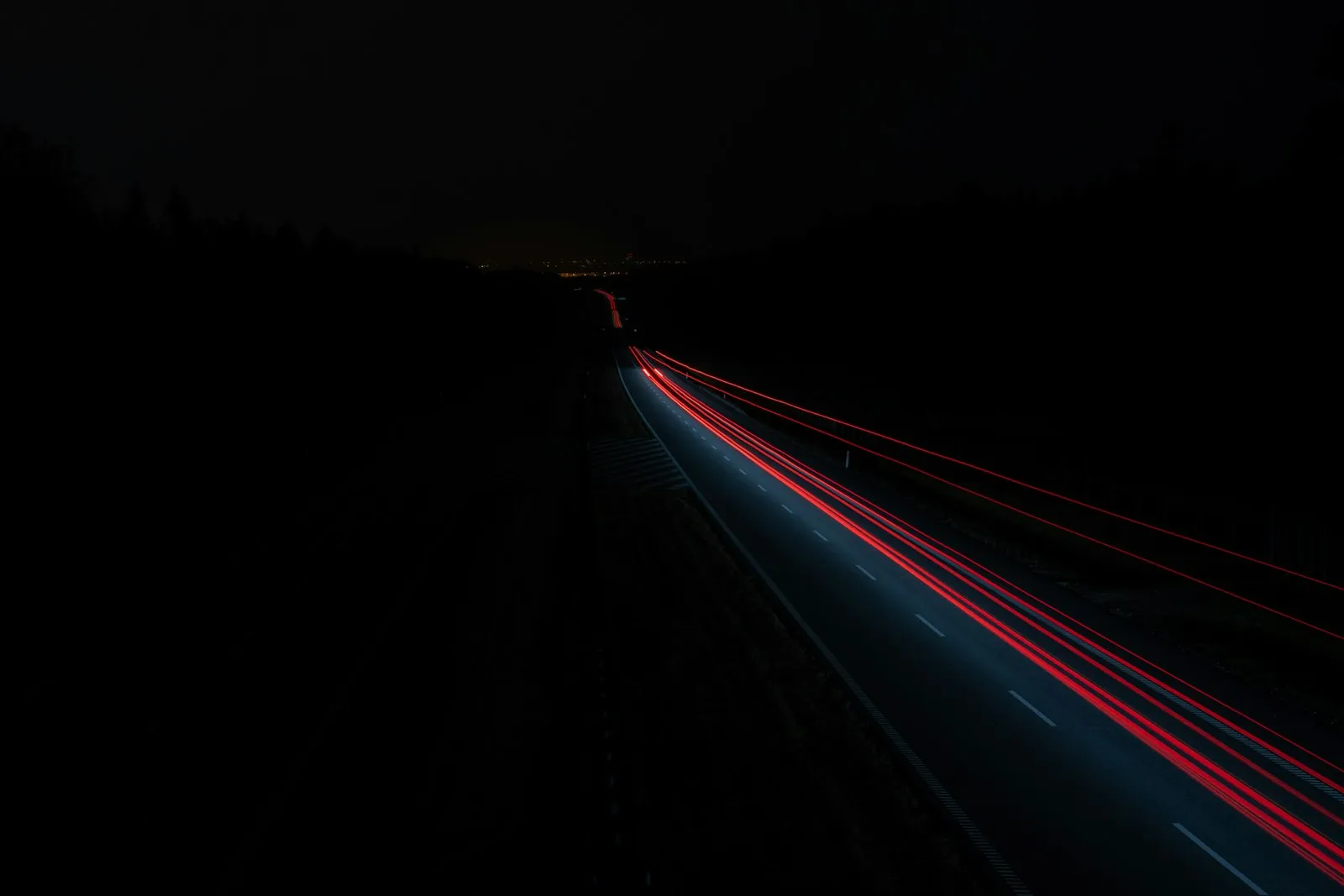
This is the single most important concept to grasp before you twist the throttle after dark. Your low beam only illuminates roughly 150 to 200 feet ahead. High beams push that out to 200 or 300 feet depending on your bike and road conditions. If you are riding faster than you can bring the bike to a stop within that lit zone, you are effectively riding blind.
The rule of thumb we pass around the club is simple. Ride at a speed where your stopping distance fits inside your headlight distance. On well lit highways, that might mean staying near 40 mph on low beam. On unlit rural backroads, you will likely need to drop 10 to 15 miles per hour below your daytime pace. Increase your following distance from the standard two seconds to three or five seconds, especially on those dark stretches where you cannot see far enough to react to a stopped car or a pothole.
Making Yourself Visible to Other Drivers
Most fatal motorcycle accidents happen after dark, and the single biggest variable is whether other drivers actually detected the motorcycle. You can have the best riding skills in the world, but if a pickup truck driver does not see you until you are in his lane, none of that matters.
Wear high visibility or retroreflective gear. EN ISO 20471 certified fabric bounces headlight beams back to the source and can be seen at roughly three times the distance of standard dark clothing. If you prefer the all black aesthetic, add a reflective sash or a bright vest. Stick reflective tape on your helmet, jacket shoulders, and panniers. We have seen plenty of riders add reflective tape to their bike frames and luggage, and it makes a noticeable difference when headlights sweep across the road.
Consider auxiliary lighting as well. Mounting auxiliary lights low and wide creates a triangle with your main headlight, giving drivers a much clearer sense of your width. A brighter or dual brake light also helps vehicles behind you register that you are slowing down. If you are upgrading your main bulb, look for E marked or SAE certified LED drop ins that focus the beam downward rather than scattering it. Just remember to check your headlight aim once a year. Aimed two degrees too low can cut your usable range by 40 feet.
Visor Management and Night Vision
Your helmet visor is your windshield to the world, and it needs to work perfectly after dark. Always run a clear visor at night. Tinted or smoked visors reduce the total light reaching your eyes and lower contrast, which makes it harder to spot road debris or wildlife. If your helmet came with a tinted visor, store it for daytime riding and keep the clear one mounted for night runs.
Fog is another enemy. A Pinlock insert is the most reliable anti fog solution available, but you still need to keep the visor clean. Scratches and grime scatter oncoming headlights into blinding starbursts. Clean the inside and outside before every ride, and replace the visor if you see deep crazing or scratches that refuse to buff out.
Wildlife, Road Hazards, and Fatigue
Tennessee backroads are beautiful, and they are also home to deer, hogs, and other wildlife that become much more active at dusk and dawn. IIHS data shows deer related crashes are significantly higher between dusk and dawn than during daylight hours. Deer travel in groups, so if you spot one, slow down immediately and scan the road verges for more. Look for eye shine, which appears as two bright reflective points near the ground. Watch the edges of the road, not the center line.
If a collision with wildlife is unavoidable, do not swerve violently. Staying upright through a glancing hit is often survivable, while a hard low side at highway speed is not. Just brake firmly, keep the bike upright, and accept the impact if you cannot avoid it. Road debris, potholes, and standing water are also nearly invisible until you are directly over them, which is why that reduced speed rule matters so much.
Fatigue deserves its own warning. Being tired impairs your reaction time roughly as much as a 0.05 BAC. Plan a stop every 90 minutes on night rides, regardless of how alert you feel. Avoid sedating medications like antihistamines for 12 hours before riding, and dim your instrument panel brightness to help your eyes preserve night vision.
A Five Minute Pre Ride Checklist
Before you even turn the key, spend five minutes running through this list. It takes less time than it takes to read it, and it will save you from a lot of head scratching on the road.
- Clean your visor inside and out. Check for deep scratches or crazing.
- Confirm you have a clear visor mounted, not a tinted one.
- Test your headlight on low and high beam, check position lights, and verify your brake light is working.
- Make sure your reflective gear is clean, unfolded, and properly positioned.
- Check your fuel level. Nighttime gas station coverage thins out quickly in rural Tennessee, and you do not want to be searching for an open pump in the dark.
Final Thoughts for the Crew
Night riding in Tennessee rewards preparation and punishes assumptions. The roads are wide, the traffic is light, and the scenery is unmatched. But darkness shrinks your sight distance, hides hazards, and makes other drivers less likely to see you. Keep your speed inside your headlight range, wear reflective gear, run a clear visor, watch the road verges for wildlife, and plan your stops. Ride smart, look out for each other, and we will see you on the road.
Finish this story. It's free
Create your free District 76 account to read the rest, save articles, and join the discussion.
Already a member? Log in
Roads worth riding
Community-rated routes from the D76 road guide.
- Old Lock B Boat Rampin TN
- FS141 to Persimmon Pointin KY
- Natchez Trace Parkway (TN)in TN
- Fort Donelson Ride Outin TN
0 Comments
Sign in to join the discussion.
- No comments yet. Be the first to weigh in.